
How Manufacturers Can Reduce Adhesive Waste by 90% Using Eco-Crate Systems
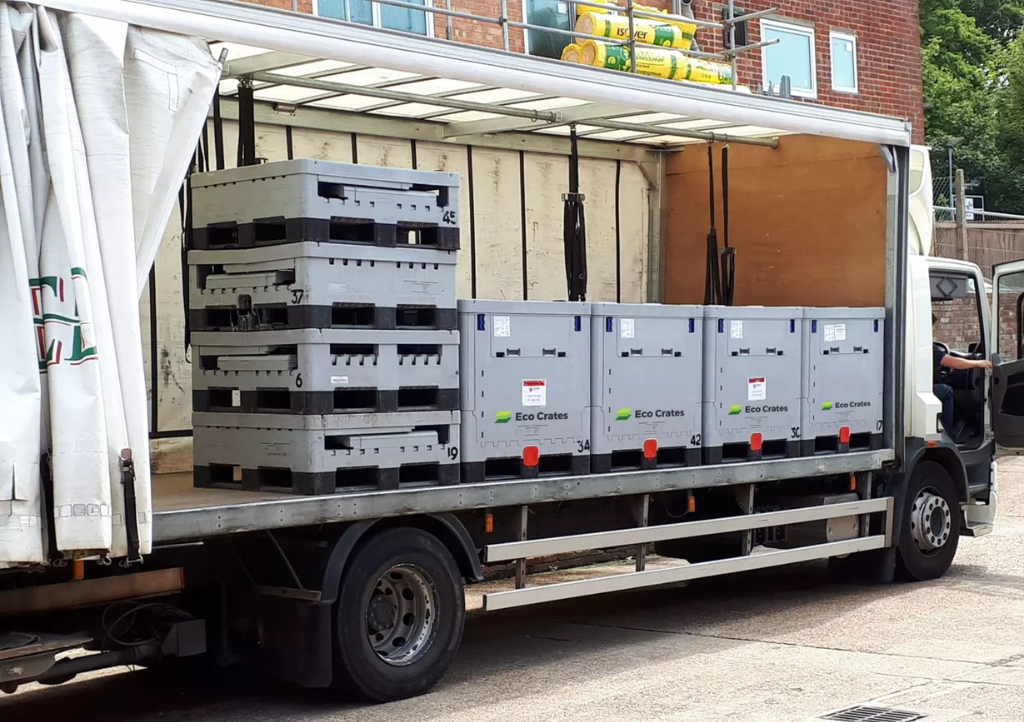
This Global Recycling Day we wanted to shine a light on ways manufacturers can reduce waste, which is becoming an increasingly important priority. Whether driven by sustainability commitments, operational efficiency or rising disposal costs, many businesses are looking closely at where unnecessary waste occurs in their production processes.
Adhesive storage and handling is one area where significant improvements can often be made.
At Anchor, we have worked with manufacturers across a range of sectors to help reduce adhesive waste dramatically. One of the most effective solutions has been the adoption of Eco-Crate systems, which can reduce adhesive waste by up to 90% compared with traditional IBC containers.
As Global Recycling Day highlights the importance of reducing waste and improving resource efficiency, it’s a good opportunity to explore how simple changes in adhesive storage can deliver both environmental and operational benefits.
The Hidden Waste in Traditional Adhesive IBCs
Intermediate Bulk Containers (IBCs) are commonly used for storing and transporting adhesives such as PVA. While they provide large storage capacity, they often create significant product waste.
In a typical IBC system, as much as 120kg of adhesive can remain unused at the end of its life. This residue becomes waste, meaning manufacturers are effectively paying for product they cannot use.
Alongside this lost product, IBCs also create additional challenges:
- Disposal or recycling costs
- Storage space requirements
- Handling and transport issues
- Environmental impact of single-use containers
For many facilities, these hidden inefficiencies can add up quickly.
How Eco-Crates Reduce Adhesive Waste by Up to 90%
Anchor’s Eco-Crate system was developed specifically to address these challenges.
While the purchase price of adhesive remains the the key difference lies in how much usable product remains at the end of the process.
With an Eco-Crate system:
- Maximum adhesive waste is typically around 10kg
- Compared with around 120kg of waste in a standard IBC
This means manufacturers can reduce adhesive waste by approximately 90%, significantly improving product utilisation.
Over time, this reduction in wasted material can have a meaningful impact on operational efficiency and your bottom line.
Bulk Efficiency Without Additional Cost
Eco-Crates are available in two main capacities:
- 1000kg Eco-Crates
- 250kg Eco-Crates
For comparison, a standard IBC typically holds 1100kg.
Because the adhesive cost per kilogram remains the same, switching to Eco-Crates allows manufacturers to gain the efficiency benefits without increasing material costs.
Instead, the improvements come through better product utilisation and simplified logistics.
Removing the Cost and Hassle of IBC Disposal
Another key advantage of the Eco-Crate system is the removal of disposal costs.
With traditional IBCs, manufacturers often need to arrange and pay for container disposal or recycling. These containers frequently end up being stored on site or discarded after a single use.
With Eco-Crates, Anchor manages the process differently.
Once empty, we collect the crates free of charge, removing the need for customers to organise disposal themselves.
This eliminates:
- IBC disposal fees
- storage of empty containers
- additional administrative effort
For busy production facilities, this alone can simplify operations considerably.
Reducing Storage Space Requirements
Storage space is another often-overlooked factor in manufacturing efficiency.
When empty IBCs are stored on site, they quickly take up valuable space.
Eco-Crates are designed to collapse when empty. Once collected, they can be stacked five high, meaning they occupy just one storage footprint instead of five separate container spaces.
For facilities managing multiple adhesive deliveries, this can significantly reduce storage pressure.
Designed for Long-Term Reuse
A key sustainability benefit of Eco-Crates is their durability.
Many of the crates currently in circulation have been in use for more than 15 years, demonstrating their ability to withstand repeated use in industrial environments.
At the end of their life cycle, the crates themselves are fully recyclable plastic, allowing the materials to be recovered rather than discarded.
This long service life means far fewer containers need to be manufactured or disposed of compared with traditional single-use systems.
Simpler Waste Handling
Inside the crate, the adhesive is stored within a liner bag.
While the liner is not currently recyclable, it contains very little residual adhesive once emptied. This means it can usually be disposed of as general waste rather than hazardous waste, simplifying the disposal process for manufacturers.
A Practical Step Toward More Sustainable Manufacturing
Improving sustainability in manufacturing doesn’t always require major process changes. Sometimes the biggest impact comes from addressing everyday inefficiencies.
By switching from traditional IBC containers to Eco-Crate systems, manufacturers can:
- Reduce adhesive waste by up to 90%
- Eliminate IBC disposal costs
- Improve storage efficiency
- Reuse containers for many years
- Simplify waste handling
All the while maintaining the same adhesive cost per kilogram.
For production teams focused on efficiency, cost control and sustainability, this makes Eco-Crates a practical and effective solution.
Supporting More Sustainable Manufacturing
As Global Recycling Day reminds us, reducing waste and improving resource efficiency is a responsibility shared across industries.
Small changes in processes, including how materials are stored and handled, can make a meaningful difference.
If you would like to learn more about Anchor’s Eco-Crate adhesive systems and how they could support your manufacturing operation, our team would be happy to help. Contact us on 023 9223 3310 or email sales@anchor-uk.com. Happy Global Recycling Day!